HARTLEPOOL - OLD HARTLEPOOL - THE HEADLAND

This photograph was taken from the old Banjo Pier in Middleton. As well as the Grade II Listed buildings in the centre, you can see the spire of the Borough Hall and St. Hilda's Church towering above the skyline. If you click on the image you can view it in a larger size.
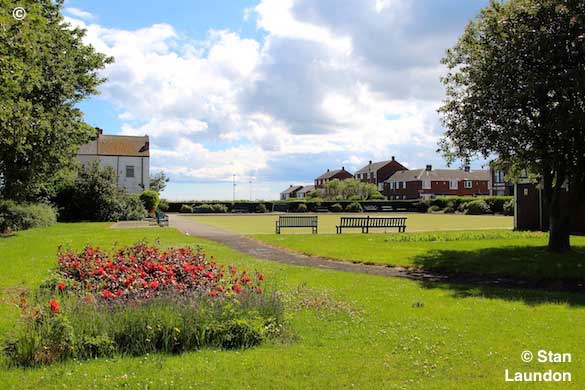
One of two excellent bowling greens in old Hartlepool. This one is at the junction of Friar Terrace, Olive Street and The Lawns. The other is also in this same vicinity at the end of the Town Moor.
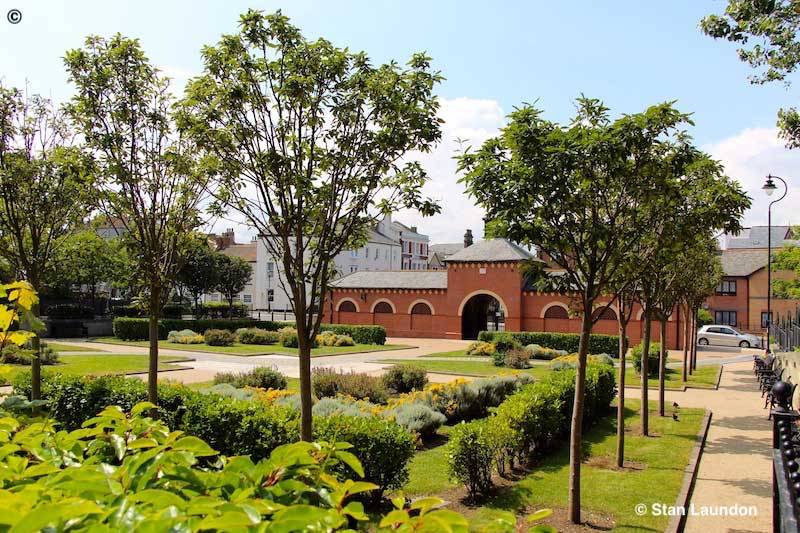
The Town Square underwent a renovation programme during the early summer of 2019 and finally re-opened to the public later that year.
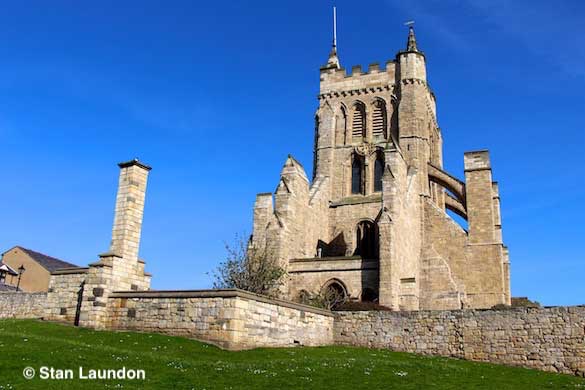
St. Hilda's Church, as seen from the High Street in old Hartlepool.

St. Hilda's Church and Croft Gardens in the early afternoon sunshine.
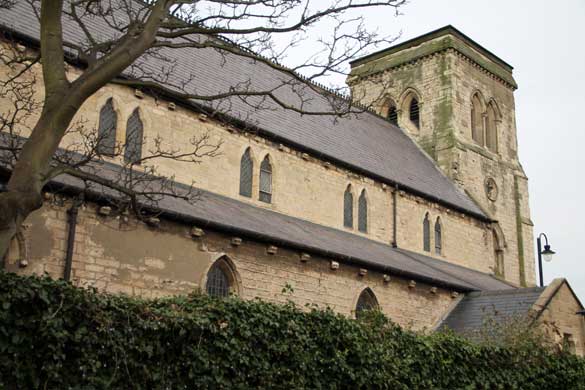
This photograph of St. Mary's Church in Durham Street, Hartlepool, was taken from the beer garden of a well known public house - with permission granted!
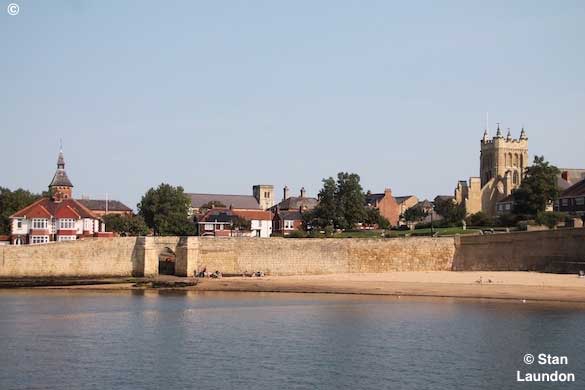
The Fish Sands in old Hartlepool with St. Hilda's Church on the right. You can also see the top of St. Mary's Church in Durham Street and the spire of the Borough Hall in Middlegate.
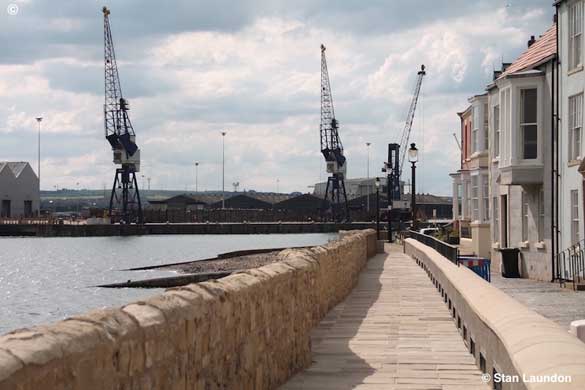
The sea defences have been strengthened along parts of the Town Wall in old Hartlepool. New paving has been laid and an inner wall constructed towards the Grade II listed houses on the sea front.
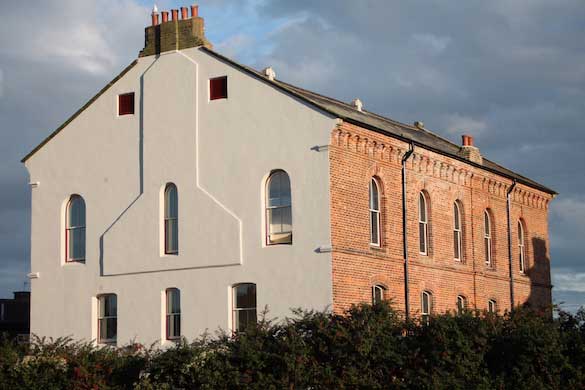
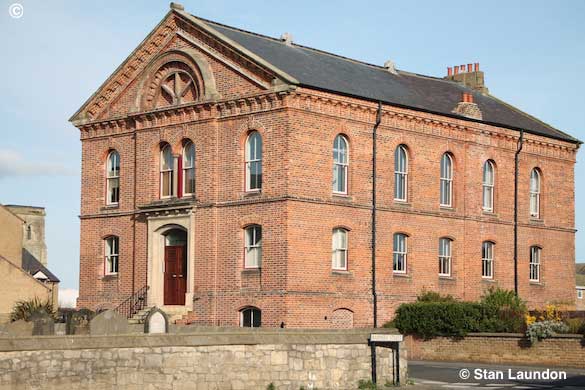
The Morison Hall was once a grand old building that was used by the Boys' Brigade for their meetings and band practice and also for functions and socials. As you see it now, with this photograph taken during mid-April 2016, and after the local council approved planning application, it has been turned into luxury flats with great progress being made following the restoration work. The Morison Hall was actually built as a Methodist Church. It became a Boy's Brigade hall when they took the building over which gave its name from their founder Dr. Bertie Morison. Photographs copyright © Stan Laundon.

The former Church of St. Andrew in York Place which is now Mary Rowntrees - a cafe and restaurant. It is also a Grade II listed building and can be seen on the Historic England website.
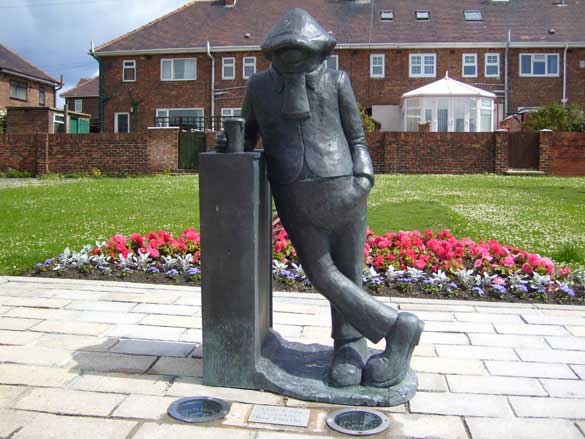
The statue of Andy Capp. This loveable cartoon character can be seen outside The Pot House public house in Croft Terrace. The current owners of the pub have officially named it The Pot House changing it from its original name of The Harbour of Refuge.
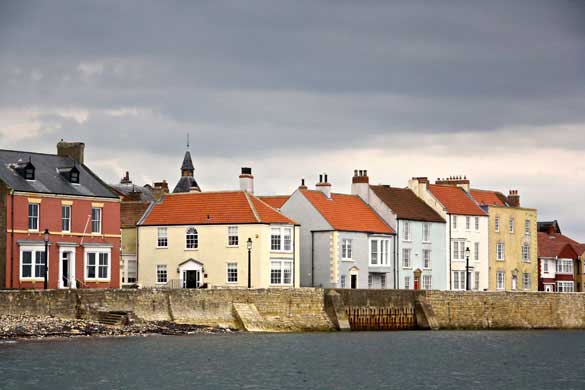
I've taken many photographs of old Hartlepool but not from this angle. On a boat trip out from Hartlepool Marina to the River Tees and back, I took this on the way home. It shows the beautiful houses on the ancient Town Wall. Several are Grade II Listed.
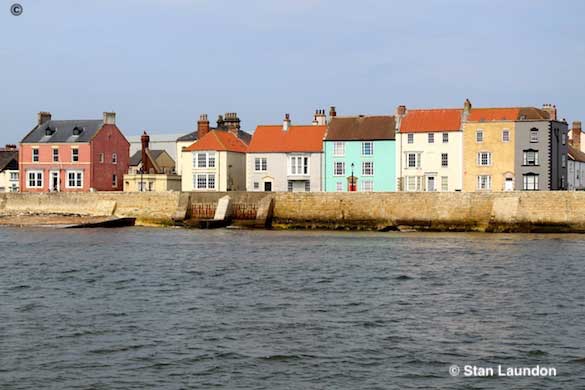
Another view of the Town Wall but taken from the Pilot's Pier - and how nice it was to see this photograph featured on both BBC Look North and ITV Tyne Tees weather.
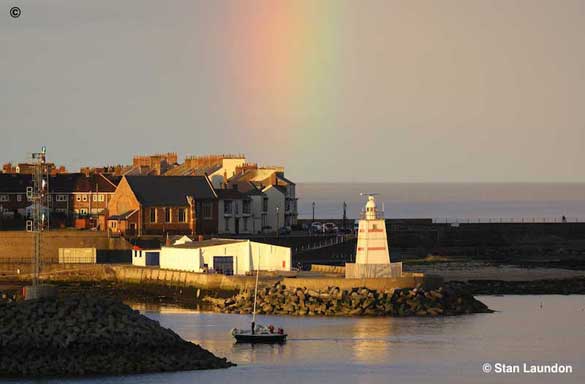
As the sun begins to set, and a beautiful rainbow shines on old Hartlepool, a little yacht heads to the safety of home.
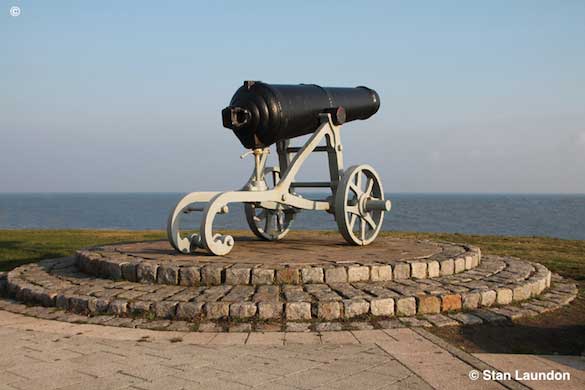
The Sebastopol Cannon. I suppose I could subtitle this photograph 'From Russia with Love' as the plaque in old Hartlepool reads: A Trophy from Sebastopol - This cannon was captured from the Russian Army at the battle of Sebastopol during the Crimean War (1854-56). In October 1857, the then Secretary of State, Lord Panmure, offered the cannon to Hartlepool Borough Council who gratefully accepted it. The cannon was transported from London on the steam ship 'Margaret' at a total cost of £2.19s.3d., and, after a year's delay, arrived at Hartlepool in September, 1858.

The Abbey Church of St Hilda taken from Croft Gardens. If you'd like to see an impressive 3-D image of St. Hilda's Church by Digital Surveys, be sure to see their video on YouTube.
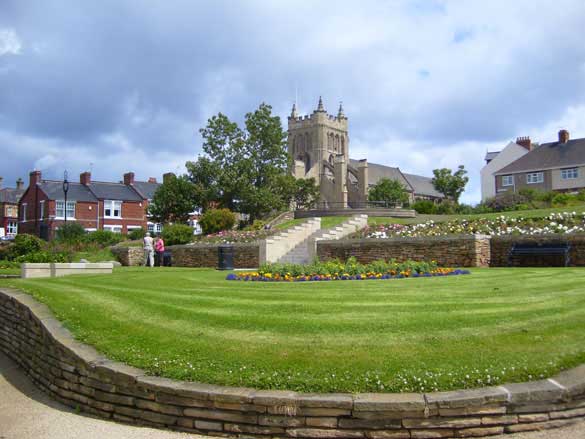
No matter where you are in old Hartlepool you will always see wonderful views of St. Hilda's Church. This is Croft Gardens in the summer with the flowers in bloom.

A stone statue of a fisherman in Croft Gardens with St. Hilda's Church in the background.
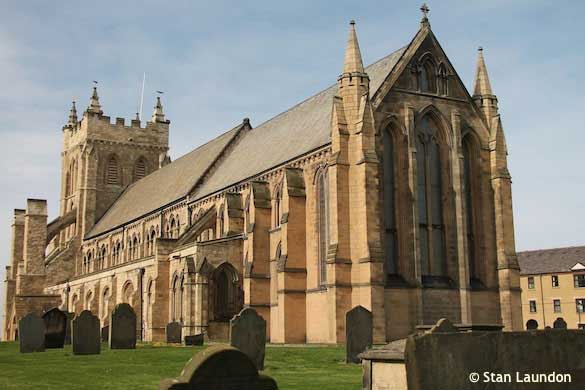
St Hilda's Church taken from Church Walk.
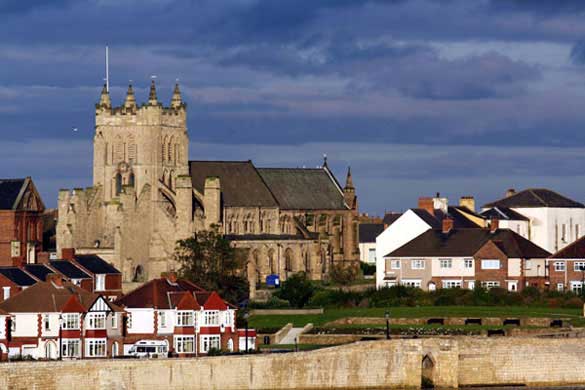
St. Hilda's Church, Sandwell Gate, Croft Gardens and the Town Wall.
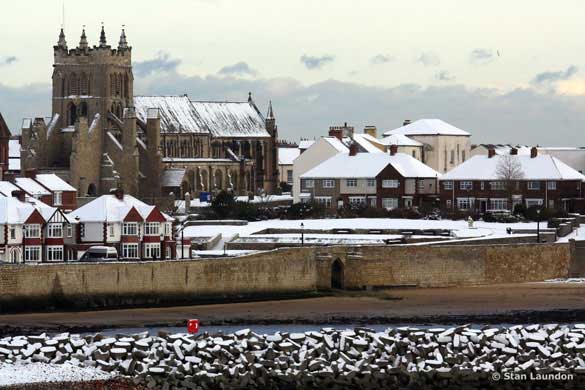
A similar view as above but, as you can see, taken in the winter with a covering of snow on the ground. It would make a great Christmas Card this!
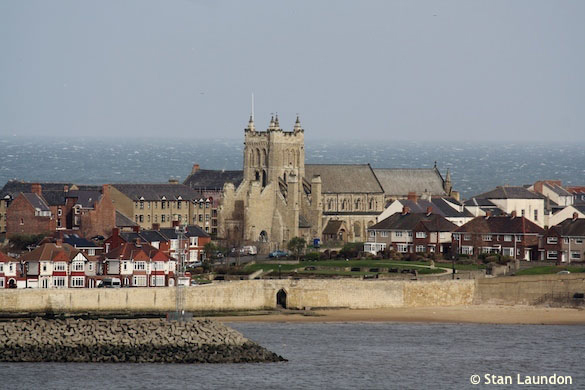
This view of Hartlepool was taken with a 100-400mm lens from the top of the old Christ Church in Church Square. These days, of course, the church is now the home of the Art Gallery & Information Centre.
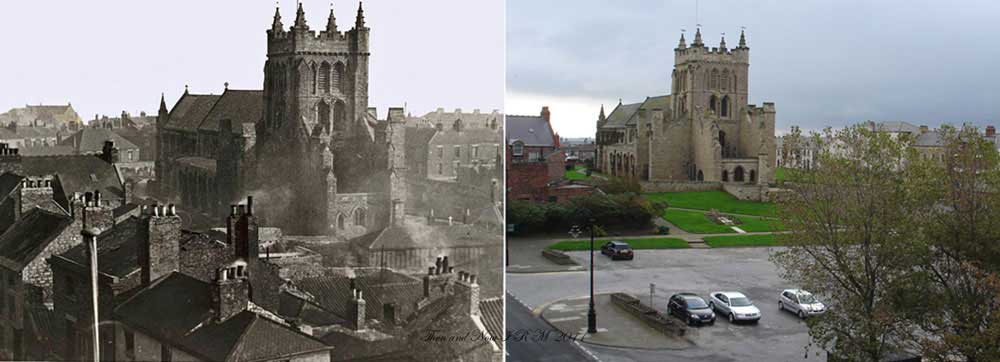
Hartlepool resident Ian Malcolmson sent us these photographs of St. Hilda's Church and the surrounding area then and now. The old photograph, from the 1930s we suggest, shows the houses in Middlegate as they used to be with Prissick Street School to the rear of the church. If you click on the above photograph it will open to a larger image.
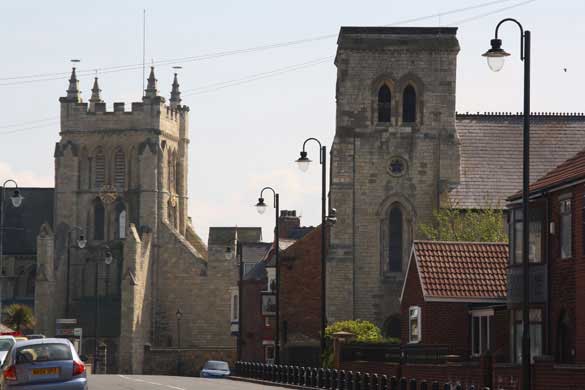
A view from Durham Street showing St. Hilda's Church, on the left, and St. Mary's Church. Research shows that old Hartlepool, over the years, had no less than twelve churches. They were Baptist Chapel 1852; Holy Trinity 1852 to the late 50's or early 60's; St. Andrews; St. Hilda's; St. Mary's; Salvation Army; St. Helens; St. John's Presbyterian Chapel 1830; Independent Chapel 1843; Primative Methodist 1850; United Presbyterian 1840 and the Wesleyan Methodist 1839.
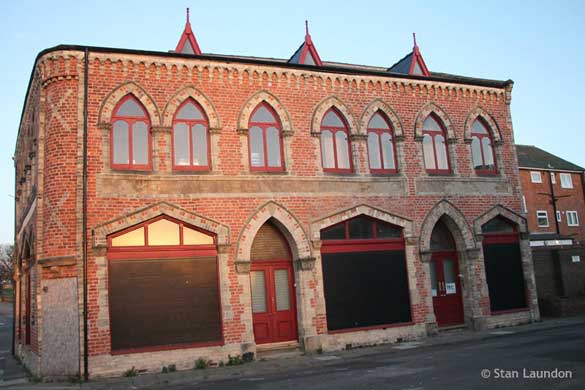
The Victoria Buildings at the junction of Middlegate and Victoria Street is another Grade II listed building in old Hartlepool. These former offices and shops were built in 1853.
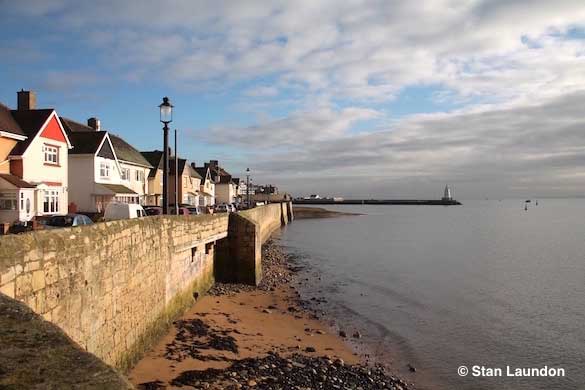
The picturesque Town Wall looking towards the Pilot's Pier.
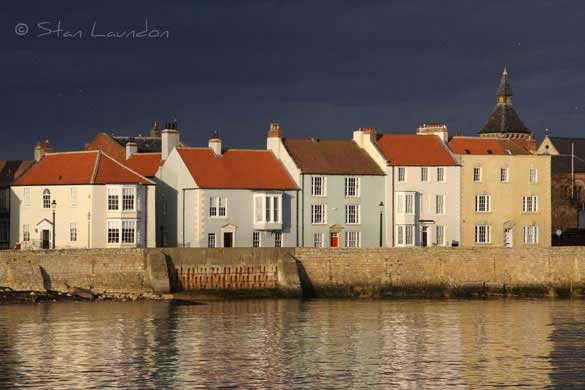
A colourful view of the Town Wall taken from the Banjo Pier. The building on the left, known today as the old Gospel Hall, used to be the Seamen's Mission. The grey building was once used by the Hartlepool Port Authority and the building on the right was named after the Chalybeate Spring. Thanks to Ian Malcolmson for the information on these properties.

The Bombardment of the Hartlepools Memorial which stands near the Heugh Battery and Sebastopol Cannon. You can read details of the plaque in the right hand column.
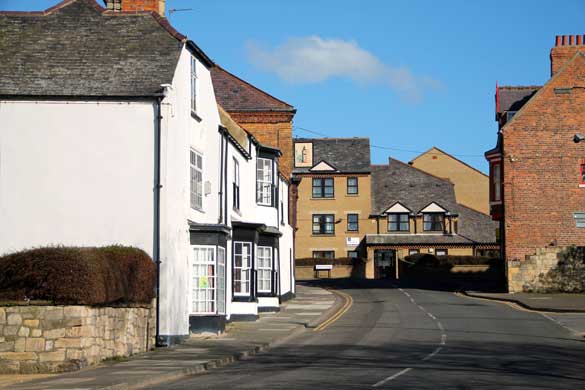
Middlegate in old Hartlepool has two Grade II listed buildings on the left hand side. At the top is the Cosmopolitan Hotel at the junction with Durham Street.
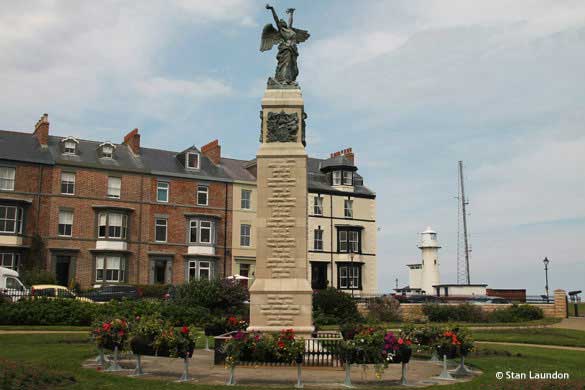
Redheugh Gardens and the War Memorial near the sea front. To the right is the Heugh Lighthouse and the Sebastopol Cannon.

The angel on top of the War Memorial in Redheugh Gardens.
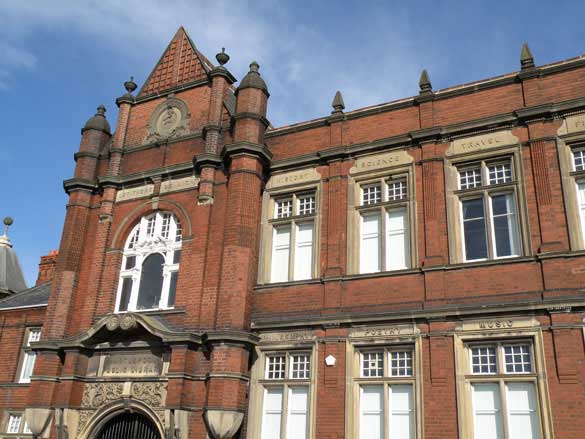
Hartlepool Public Library. This building, on Northgate in old Hartlepool, was presented for a Public Library by Andrew Carnegie, Esq LLD. The foundation stone was laid by Alderman H.H Murray on May 27th, 1903. In later years it was used as a Maritime Museum and now has reverted to private offices. One time it was earmarked for demolition until the people of Hartlepool moved in an opposed it. You can see other photographs of the library and some beautifully crafted stonework, dated 1904, in the right hand column.
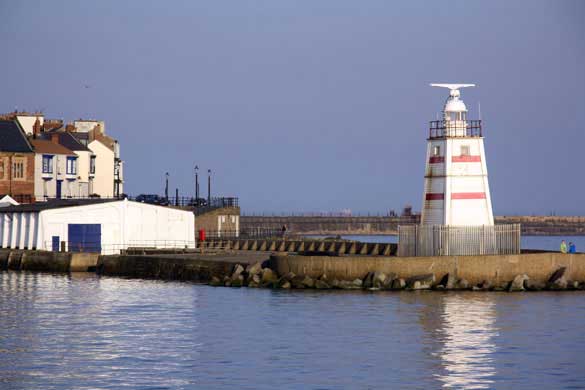
The Pilot's Pier taken from the Banjo Pier in, what used to be, Middleton.

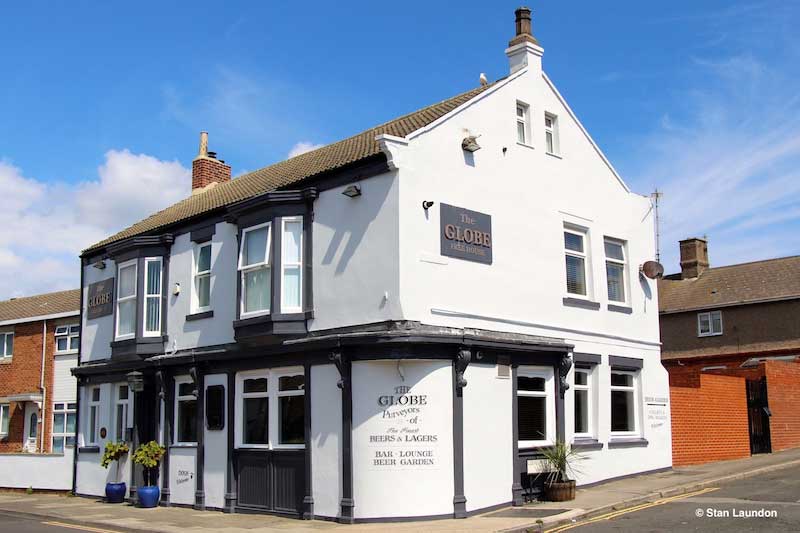
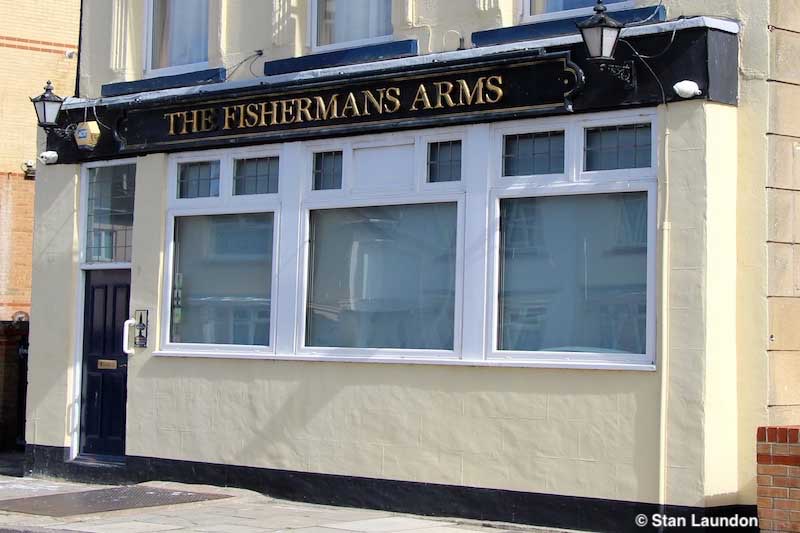
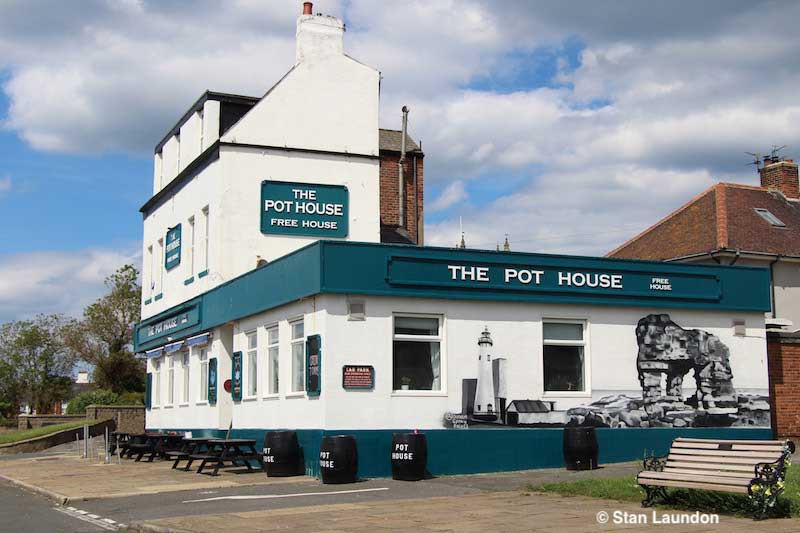
Four popular public houses in old Hartlepool which are, on the top left, The Cosmopolitan Hotel at the junction of Durham Street and Middlegate, top right is The Globe on Northgate, on the lower left is The Fishermans Arms on Southgate with the Pot House (The Harbour of Refuge) lower right with an impressive mural painted on the side by Durham Spray Paints.
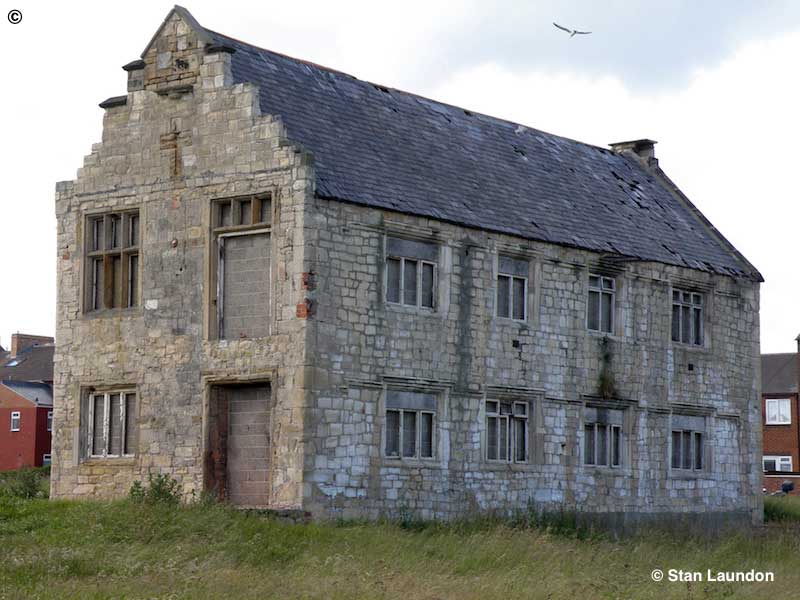

The old Friarage Manor House, which is Grade II Listed, was once part of St. Hilda's Hospital in Hartlepool and built in 1605. When it was the hospital we believe that the upper part was the Childrens' ENT Ward. Looking at the roof, on these photographs, there appears to be a chimney. In the 1960's the only ward that had an open fire was the Male Geriatric Ward. Of course, much of this building could not be seen at this time as the rest of the hospital had been built around it. Thanks to a former nurse, Miss KW, for providing this information.

The only thing visible from the inside of St. Hilda's Hospital was the large cross at the top of the Friarage Manor House. Also remembered, in the sluice of the Childrens' ENT Ward, was a stained glass window.
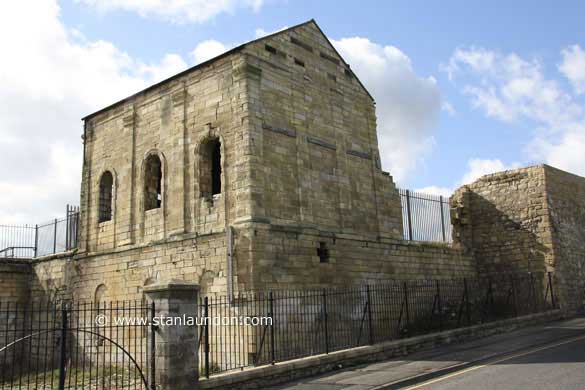
The old Throston Engine House, in Cemetery Road, Hartlepool dates back to 1830. The hauling engine - which was steam powered - used to draw coal wagons up a railway incline to top of the former coal staithes. A dispute between railway companies over use of these coal-shipping facilities was major factor leading to founding of new town of West Hartlepool in 1840's. The Throston Engine House is one of many Grade II listed buildings in old Hartlepool.
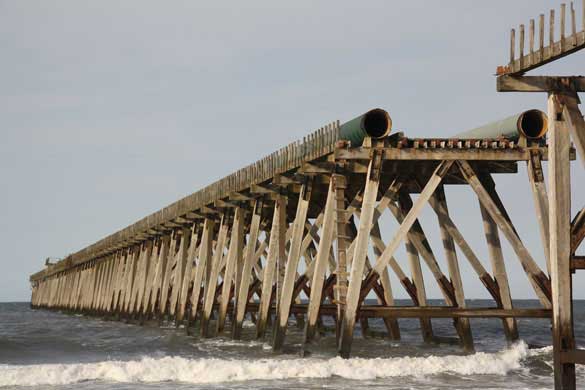
A few childhood memories came flooding back as I took a walk under the Horseshoe Tunnel near the old Brus Arms at West View. A stroll along the North Sands took me to the old Steetley Pier - what's left of it.
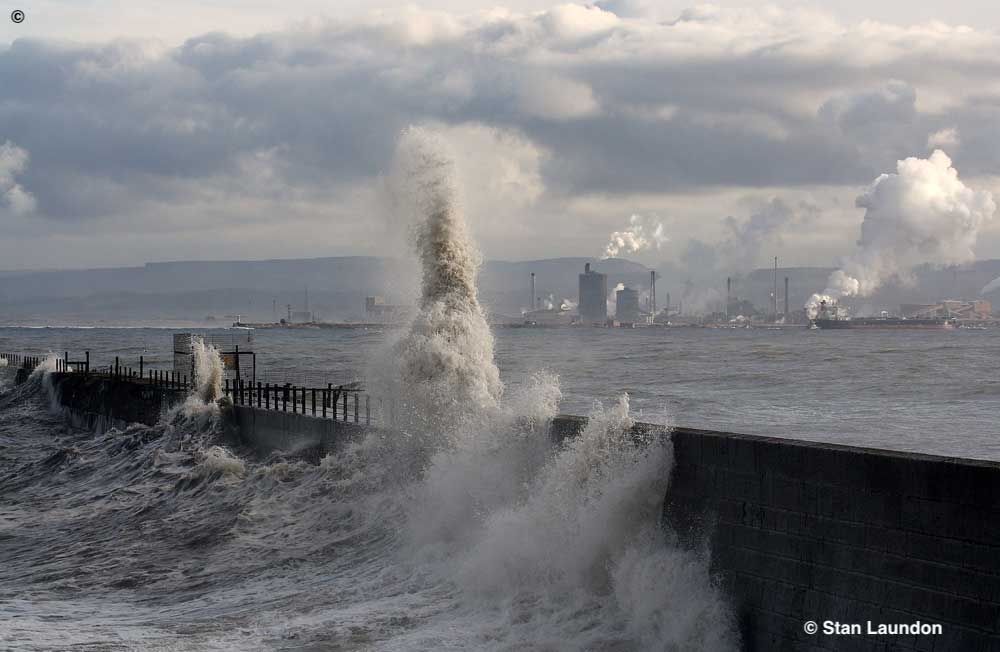
Even though the photograph above is quite old I never get tired of seeing it. It was taken early 2011 and was voted as the weather photograph of the month for February 2011 and was in the BBC Look North "Children in Need" calendar. You can see it larger when clicking on it.

The power of the waves hitting the Heugh Pier (New Pier) in Old Hartlepool. It's a great place to take photographs but you have to be very careful as the North Sea can be very dangerous. This was taken using a zoom lens and, yes, I was quite away from the pier.

If you'd like to view another selection of photographs of old Hartlepool, together with musical accompaniment of the song "The Hartlepool Monkey" by The Teesside Fettlers, be sure to click here or on the photograph above to enjoy a video on You Tube.

Them and us: Even after the amalgamation of the two towns - Hartlepool and West Hartlepool in 1967 - there's still the 'them and us' attitude from some of the older folk. The people in West will still refer to 'those folks over there' as Monkey Hangers and many in old Hartlepool, the original settlement, will call those from the new town West Dockers.
Yes, there is still 'friendly banter' between West and old Hartlepool but why is it, many ask, that West Hartlepool stole the monkey and have a statue of it in the marina? The late Bill Hunter who, for many years, lived on the Headland (that's what they call it these days to the annoyance of many) told me this story: "When the marina was being created a time capsule was discovered and inside was this piece of poetry":
>>>>>>>>>>>>>>>>>>"They said we hung a monkey – it was only said in jest,
>>>>>>>>>>>>>In truth the darn thing did escape and started a town called West”
>>>>>>>>>>>>>>>>>>>>>>>>
................. This page is dedicated to the memory of a dear friend Bill Hunter - RIP ... ....
..................................... .....
...................................... ..You can search this site with Google
........................................... .... Polite Notice
Photographs on this page are © copyright Stan Laundon, unless otherwise stated, and are not to be used, or copied, without prior written permission.
The bass playing monkey on this page was created by Dave Sutton graphics and free 3D animated gifs for web sites
Homepage / Andy Capp / Bands / Books / BBC Radio Teesside / Contact / Country Time / Flying Scotsman / Globe Theatre / Hartlepool / Hartlepool Monkey / Hartlepool At Night / Hartlepool History / Hartlepool Photography / Jerry Reed / Johnny Cash / Laundon / Links / Memorabilia / Memories / Middlesbrough / NYMR / Old Hartlepool / Rink / RNLI / Search / Seaton Carew / Stars / Steam / Tornado / Wembley
Categories
Heruteu
......
Did you know that residents of Hartlepool are known as Monkey Hangers?
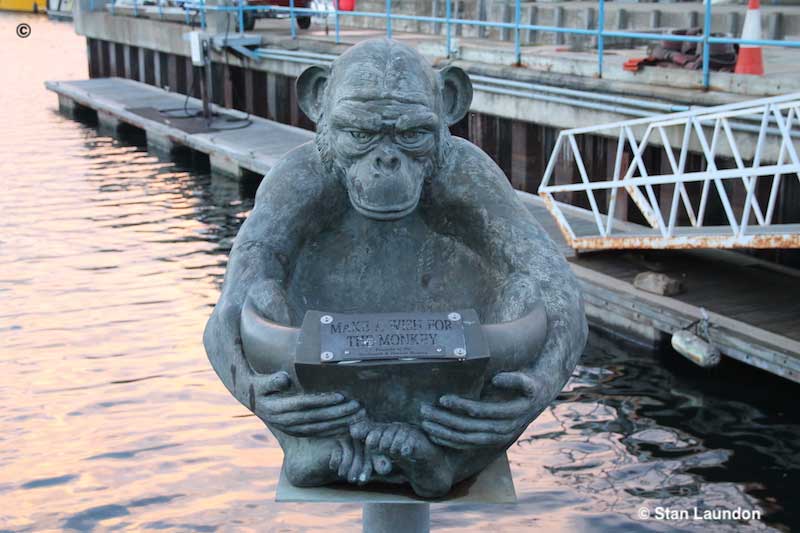
As the story goes, during the Napoleonic Wars a ship was wrecked off the coast and the only survivor who made it to land on a raft was a monkey. The people of old Hartlepool - known as Crofters - being unable to understand a word this little stranger spoke decided that he must have been either a Frenchman, or a spy, so they hanged him. The only problem with this tale is that the people of Hartlepool, being sailors and fishermen and living on a large natural harbour, would certainly have known the difference between an animal and a Frenchman! Nevertheless, the monkey legend has stayed with the townsfolk of Hartlepool ever since.
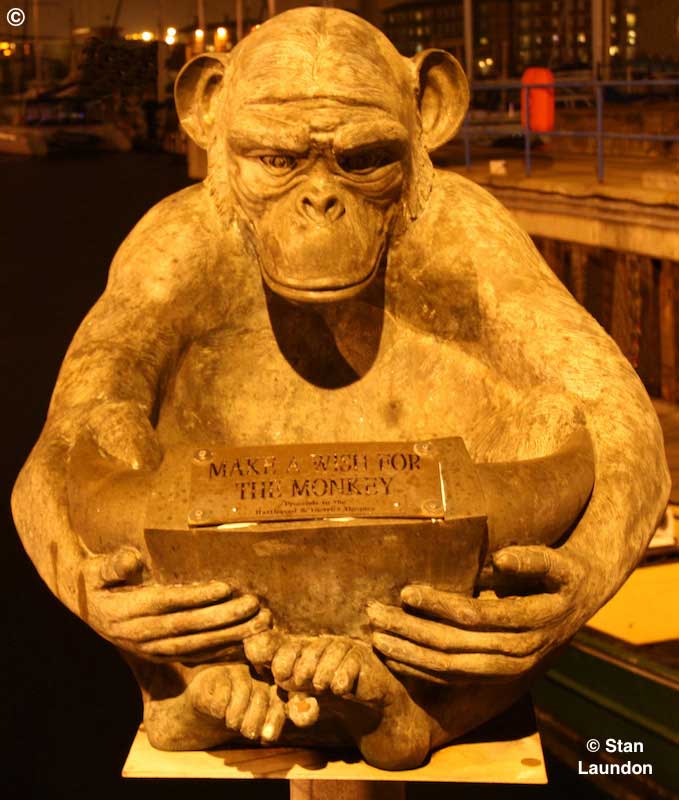
......The Hartlepool Monkey
The name of Hartlepool, according to the author Sir Cuthbert Sharp, comes from origins unknown. But in the time of Bede, the old town on the peninsula, was called Heruteu - the island of the stag. By mediaeval times, the town was known as Hertepol - the pool of the hart or, hart in the pool - becoming Hart-le-Pool.
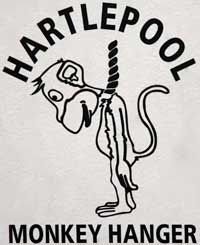
Hartlepool - Monkey Hanger as seen on a fishing boat!
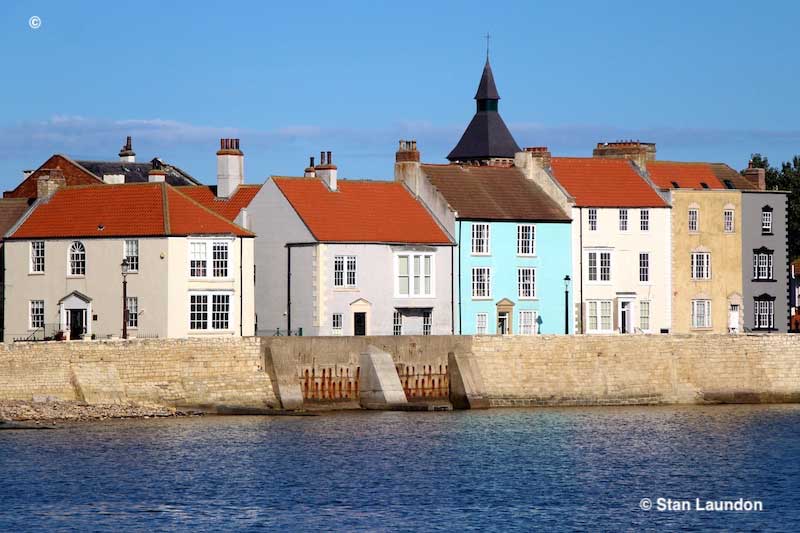
The Town Wall on a sunny afternoon and taken from the Banjo Pier in Middleton.

The Town Wall and Fish Sands taken as the sun sets.
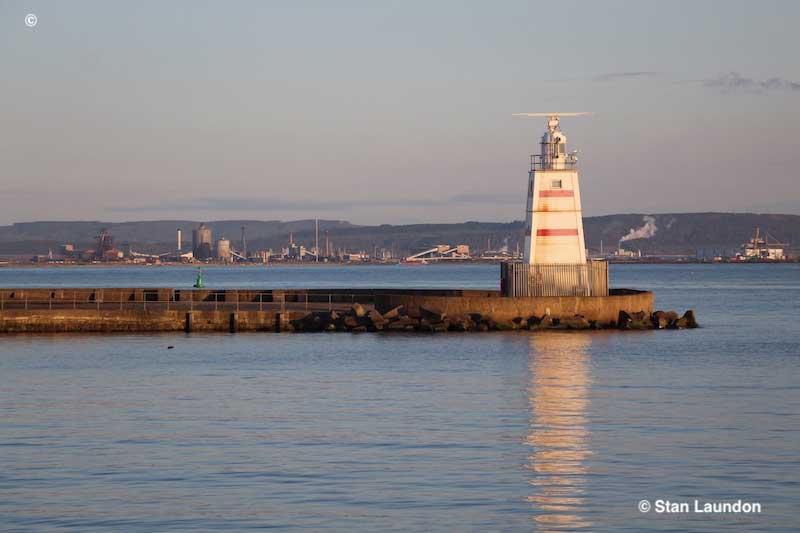
High Tide showing the Old Pier (Pilot's Pier) with Industrial Teesside in the distance.

Another one of the Pilot's Pier on quite a sunny afternoon.

A commerative tribute in stone to The Saints of Hartlepool (Hereteu) St.Bega and St.Hilda which can be seen at the junction of Middlegate and Northgate in old Hartlepool. The specialist art work was done by Helen Gaunt and Glynis Johnson.

Croft Gardens at the height of summer with the flowers in bloom. St. Hilda's Church can be seen at the rear.

The Town Square in old Hartlepool recently underwent a transformation and renovation programme during mid-summer 2019.
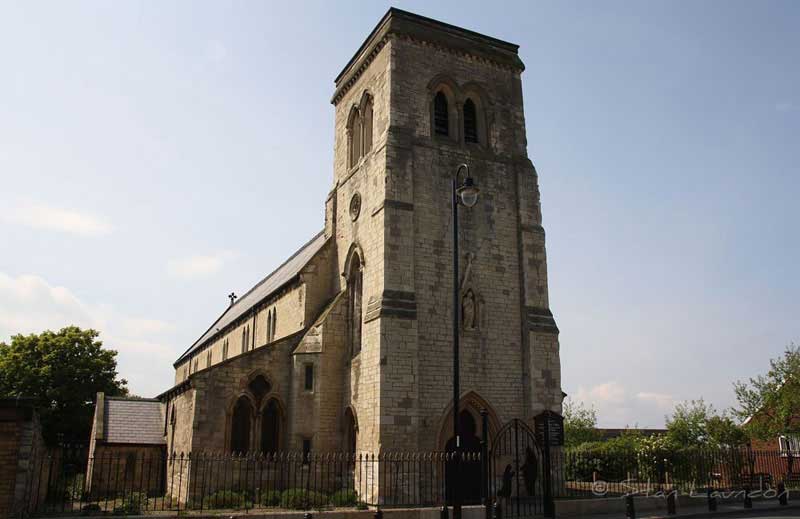
St. Mary's Church in Durham Street, Hartlepool. The gates at the front of this church are made to depict a biblical scene of St Bernadette kneeling before St. Mary. A local company Heerema donated the gates, and fence, a few years ago. The gates, at the side of the church, also have images built into them of boats relating to the fishing heritage of the area.

A view of St. Mary's Church that people don't often get to see. It's the rear of the building and gardens.

St. Hilda's Church - a wonderful landmark in old Hartlepool.

St. Hilda's Church in the winter with a covering of snow on the ground.
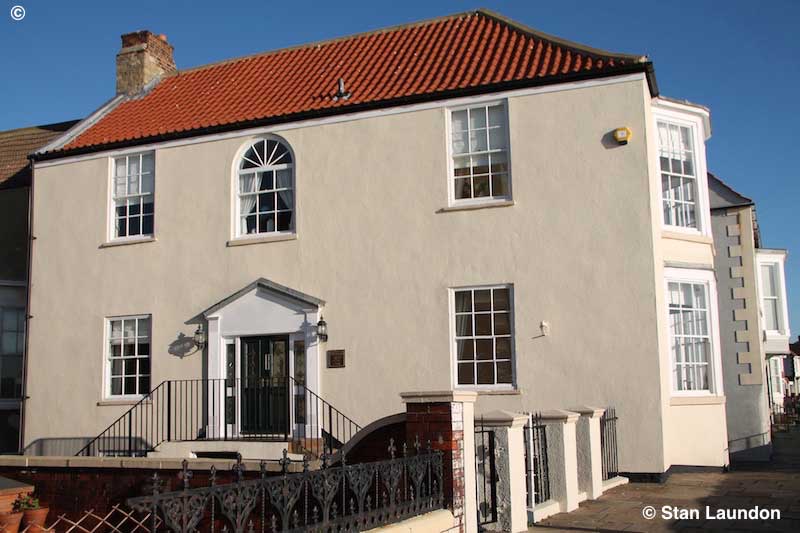
The old Gospel Hall, on the Town Wall, used to be the Seamen’s Mission.

The Heugh Lighthouse with the Bombardment of the Hartlepools Memorial to the right.


The Heugh Lighthouse early morning and at night.
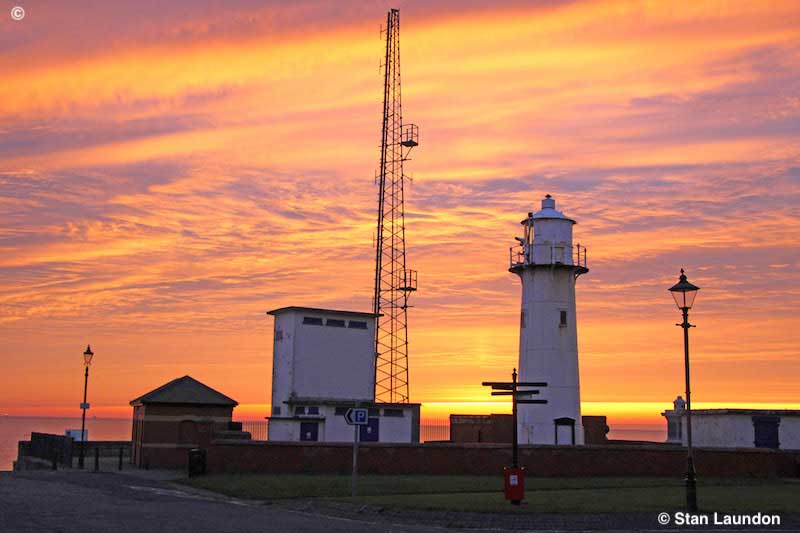
The Heugh Lighthouse at sunrise.
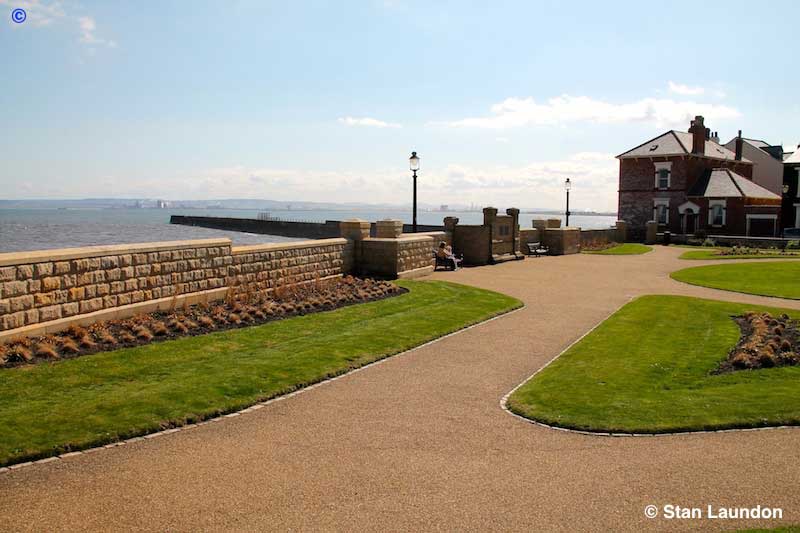
Redheugh Gardens with the New Pier in the background.
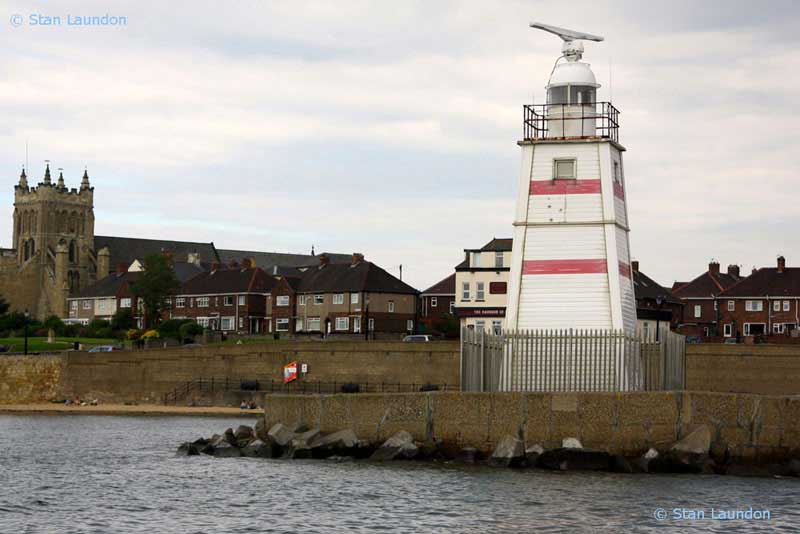
A view of old Hartlepool as seen from a boat in the bay. This is the Pilot's Pier, St. Hilda's Church and the old Town Wall.
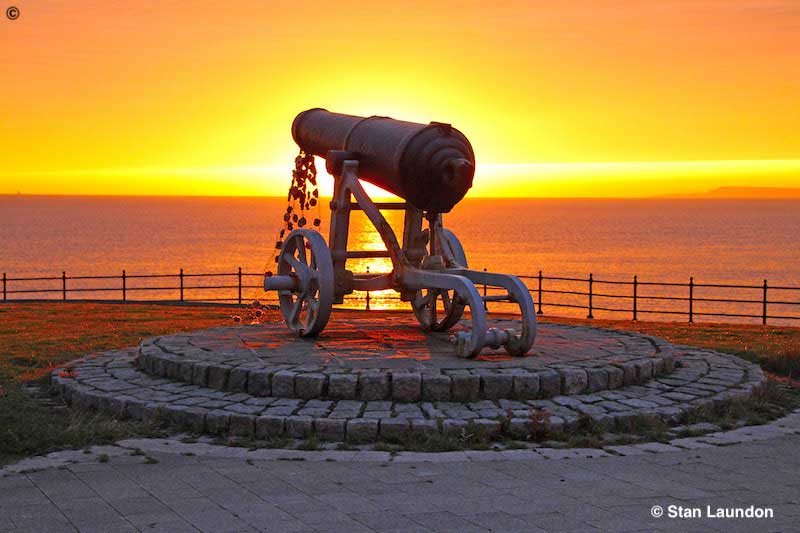
The Sebastopol Cannon at sunrise.
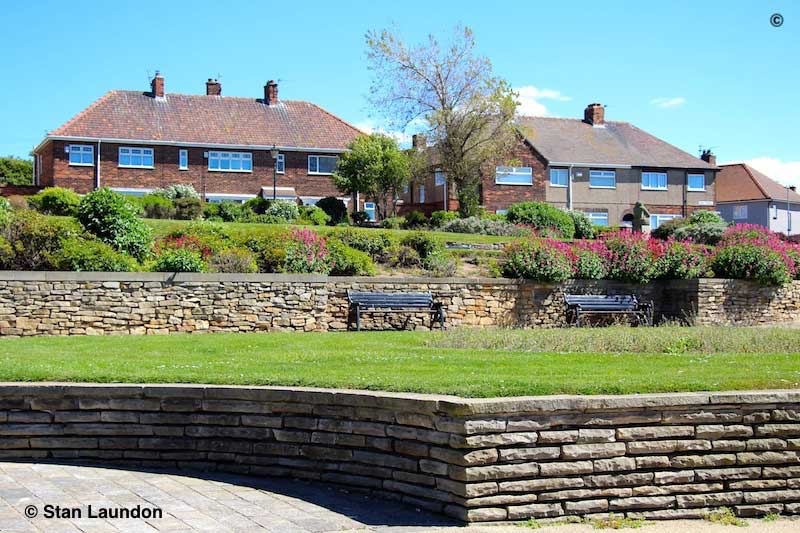
Croft Gardens with the flowers in bloom.
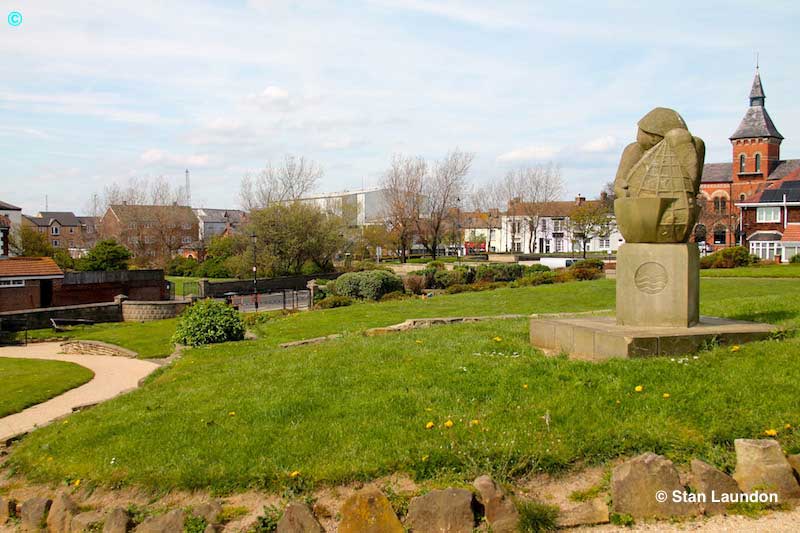
Another scenic view of Croft Gardens with the stone statue of the fisherman off to the right. You can also see the spire of the Borough Hall on this image together with the houses in Middlegate.

The ancient Town Wall in old Hartlepool taken from the old banjo pier in Middleton as the sun begins to set. As well as the Grade II listed buildings there's the beautiful St. Hilda's Church which is also Grade II listed.
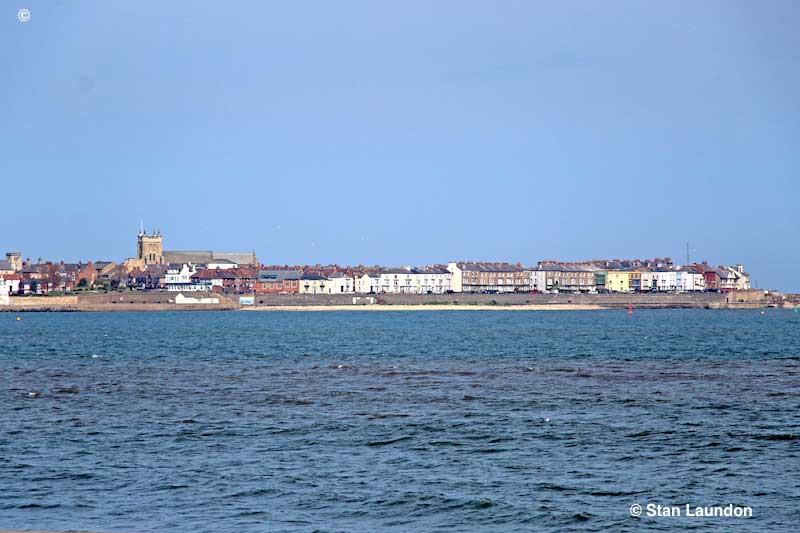
Old Hartlepool as seen from Seaton Carew.

The Monkey Statues can be seen throughout old Hartlepool providing directions, and information, relating to certain historical areas and places of general interest.

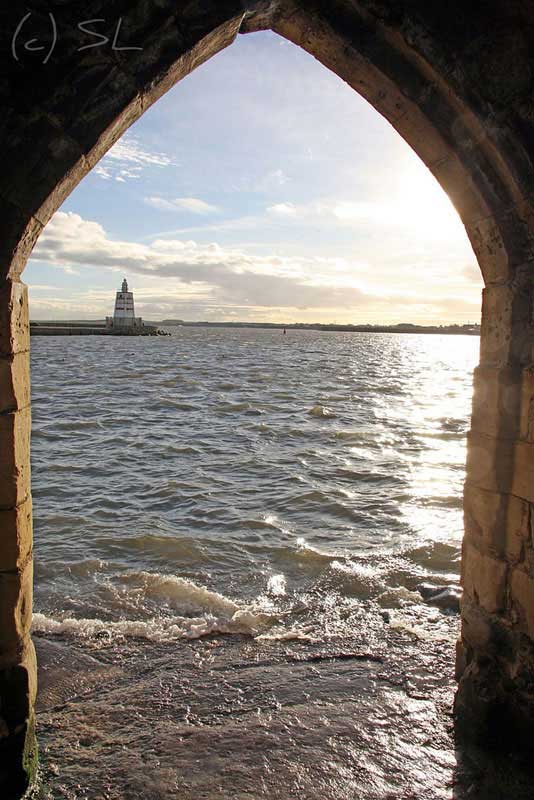

Three views of Sandwell Gate. Two taken from the Town Wall showing the high tide and the bottom photograph taken from the Fish Sands.

Another view of the stone fisherman in Croft Gardens with St. Hilda's Church as a picturesque backdrop.
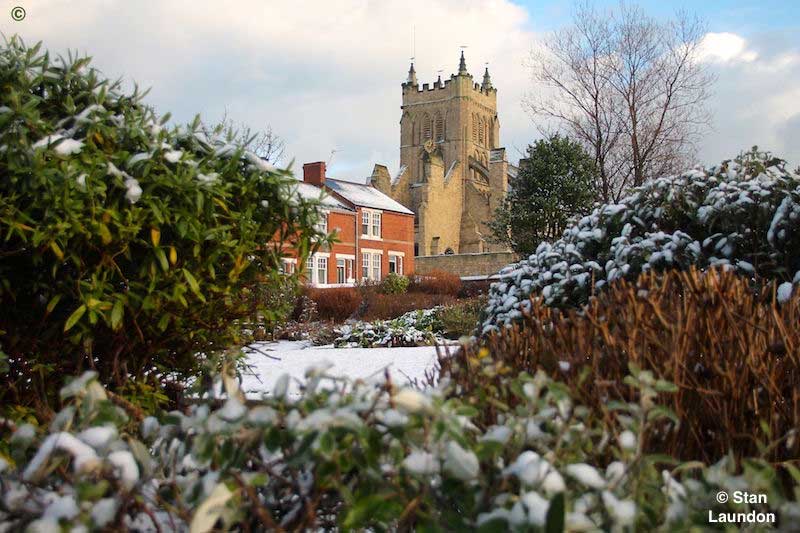
A snow covered scene in Croft Gardens with St. Hilda's Church in the background.

There are always different angles to photograph St. Hilda's Church. This is from the Town Square.
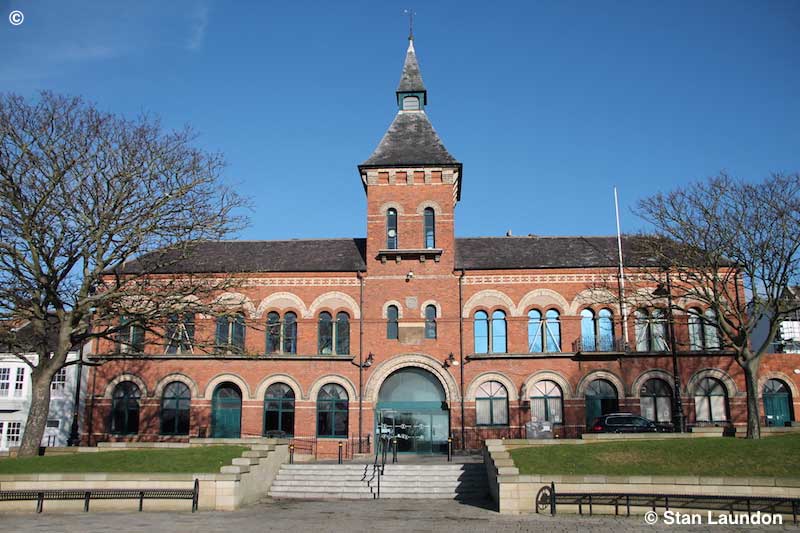
The Borough Hall and the recently developed Town Square in Hartlepool. The Borough Hall was built in 1866 and is a Grade II listed building.
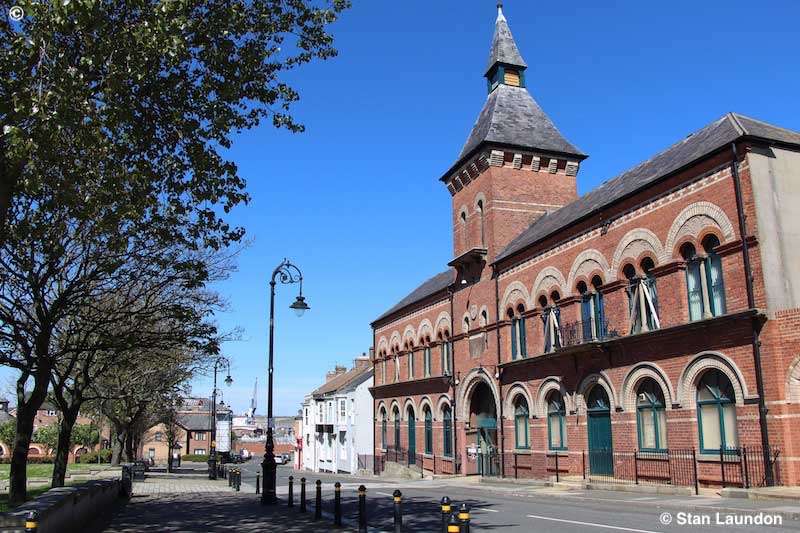
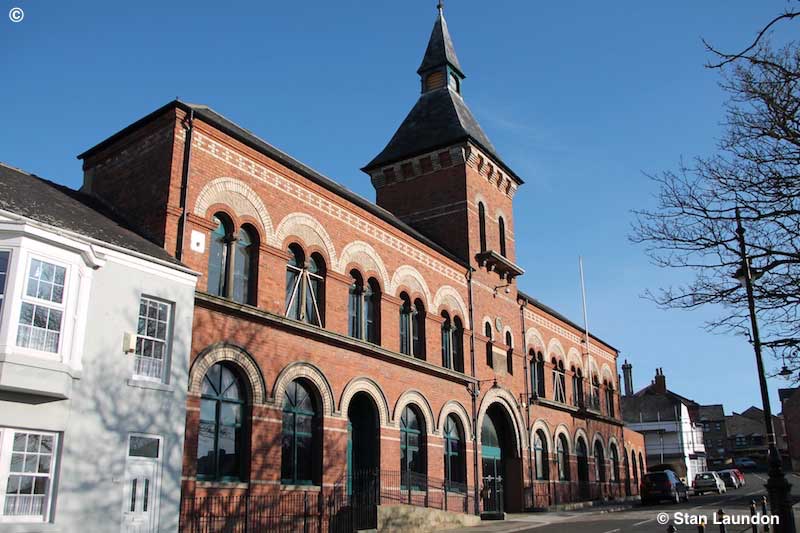
These two photographs of the Borough Hall were taken in Middlegate quite close to the Town Square.

The Duke of Cleveland's former summer house which is opposite St. Hilda's Church, Church Walk, in old Hartlepool. The main building had no windows overlooking the church as the Duke allegedly had a disagreement with the Rector when it was built. It was used as The Conservative Club but was fully restored in 2014 and opened as a bar, restaurant and function suite.
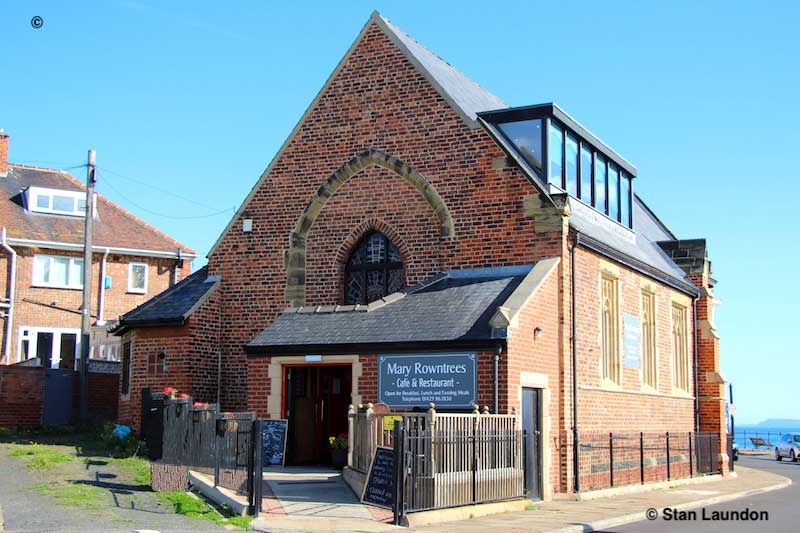
The former St. Andrew's Church (which is Grade II listed) in York Place, near the Pilot's Pier, underwent huge renovation during 2011 and opened as Mary Rowntree's bar, cafe and restaurant.


Two views inside Mary Rowntree's restaurant, on a sunny afternoon, showing an impressive seating area and a view of the bar.
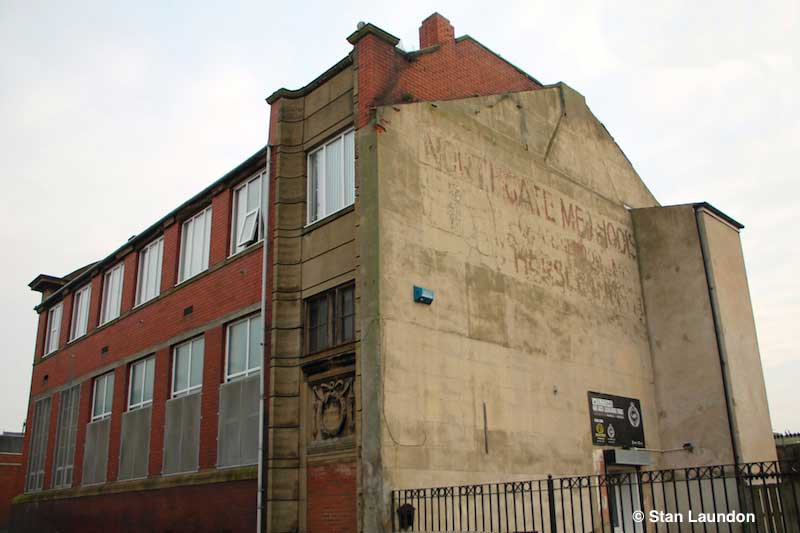
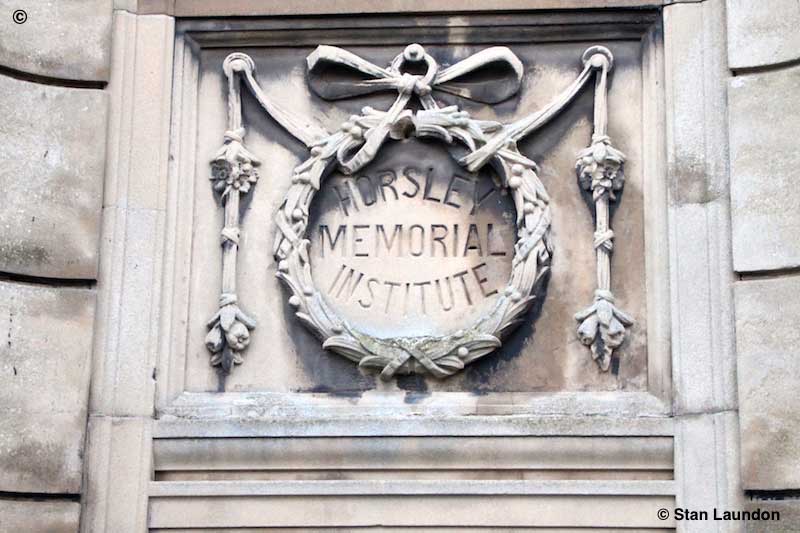
According to the Churches of Britain and Ireland site Northgate Methodist Church opened in 1839, closed in 1969, and then demolished. The site at the junction of Northgate and Darlington Street is still there with the words Northgate Methodist Church written on the side with a Horsley Methodist Institute plaque, named after local ship owner Matthew Horsley, which can be seen in Darlington Street.
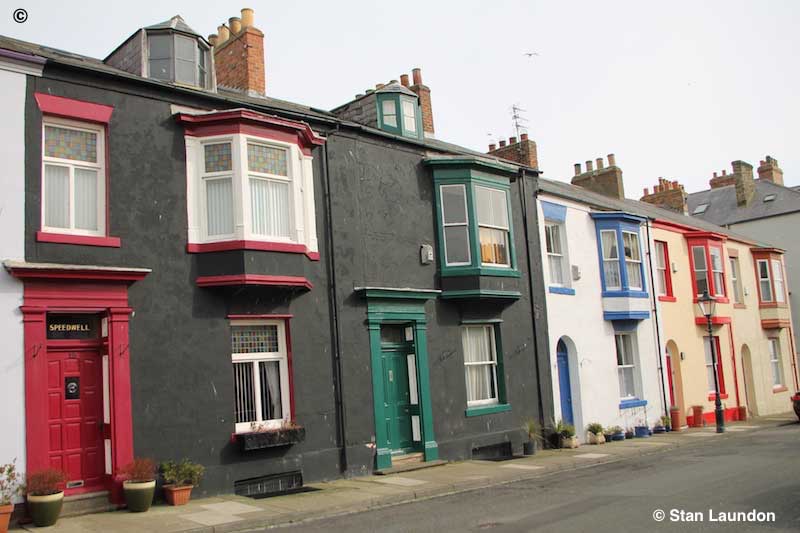
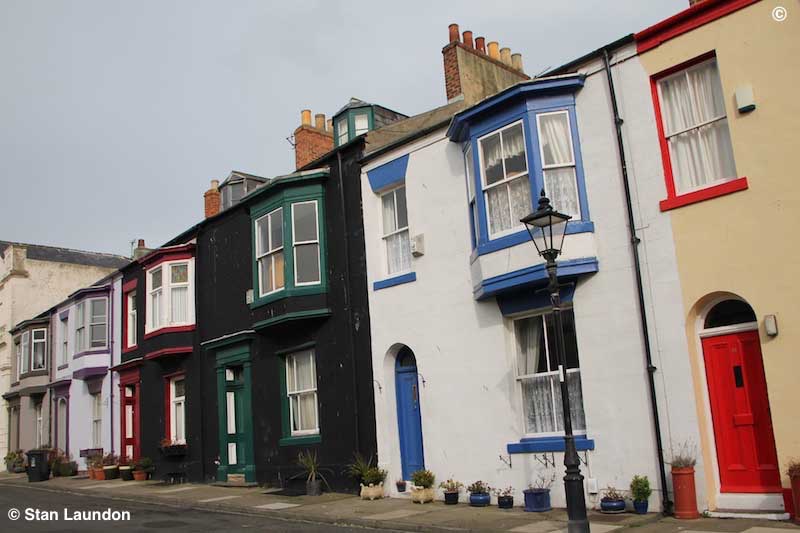
Many of the houses in Regent Street and Regent Square are Grade II Listed buildings.
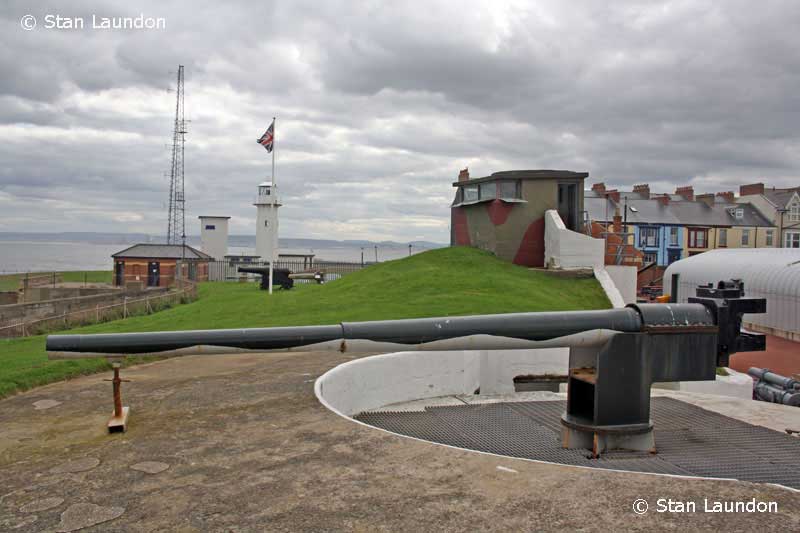
The Heugh Battery Museum in old Hartlepool.
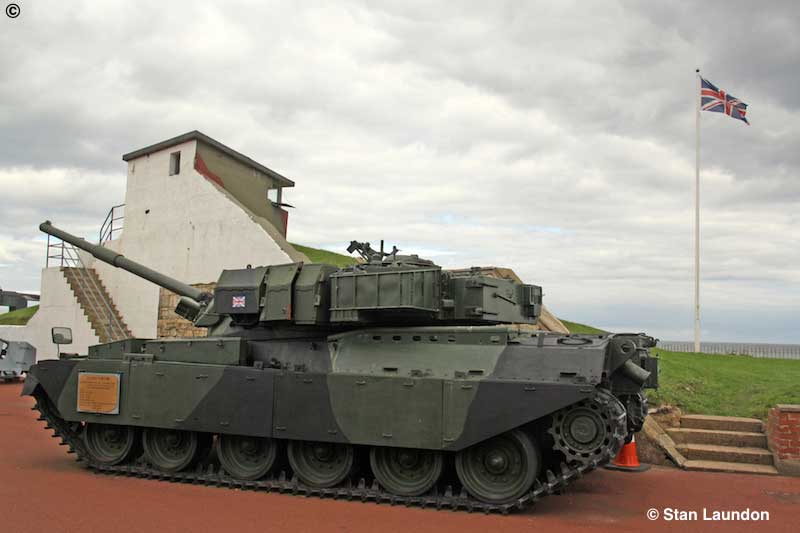
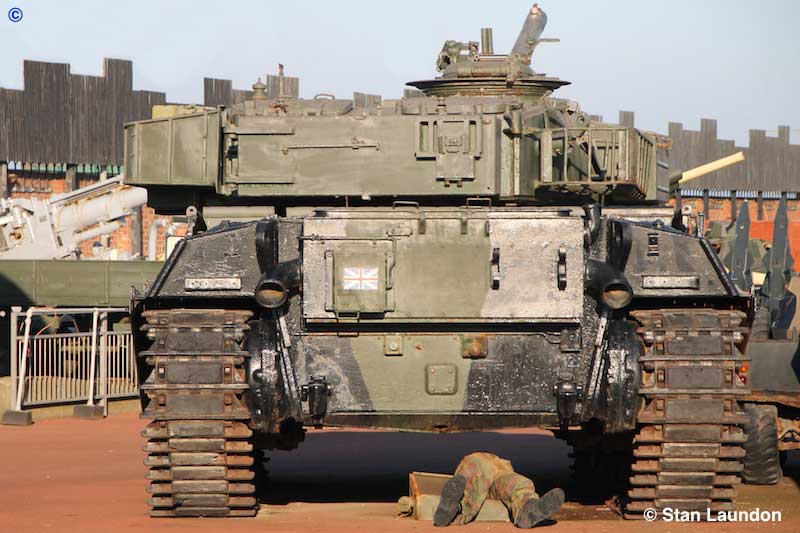
A 55-ton Chieftain Tank is one of the many exhibits on show at the Heugh Battery Museum in Hartlepool.
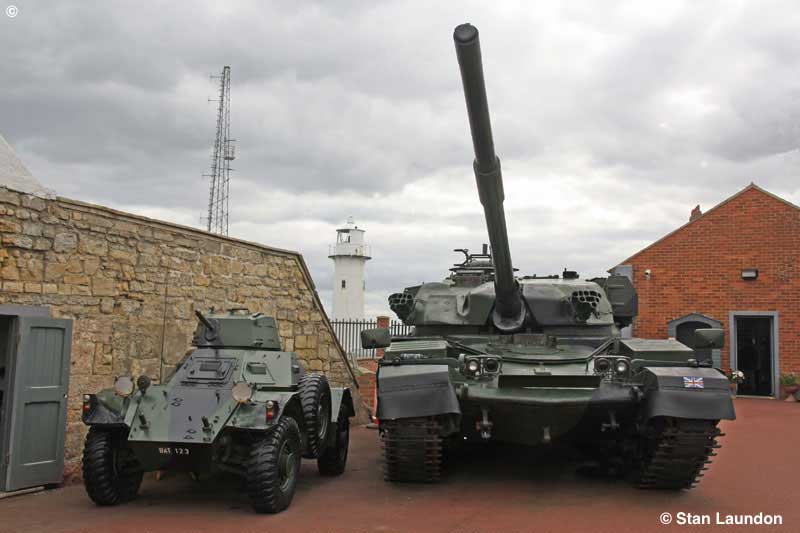
Two fine tanks in the grounds of the Battery Museum.

The Bombardment of the Hartlepools Memorial which stands near the Heugh Battery.
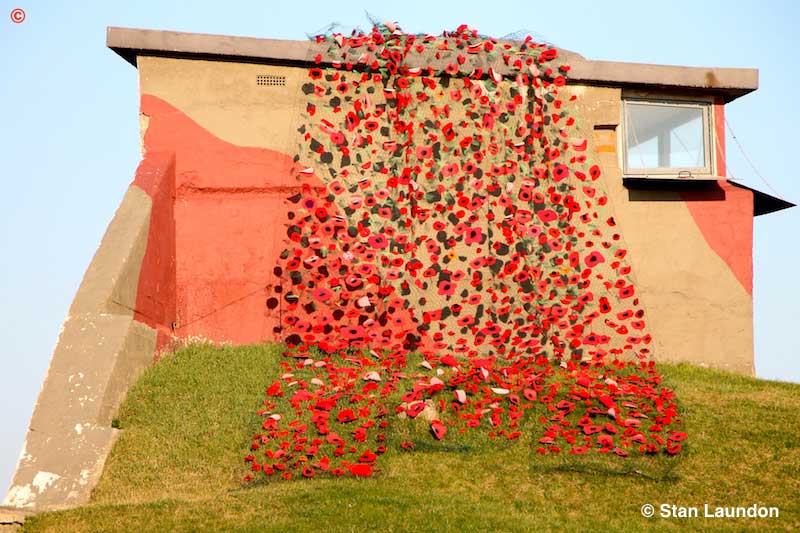
A tribute to those who lost their lives in Hartlepool on December 14th, 2014 - 100 years after the great war.
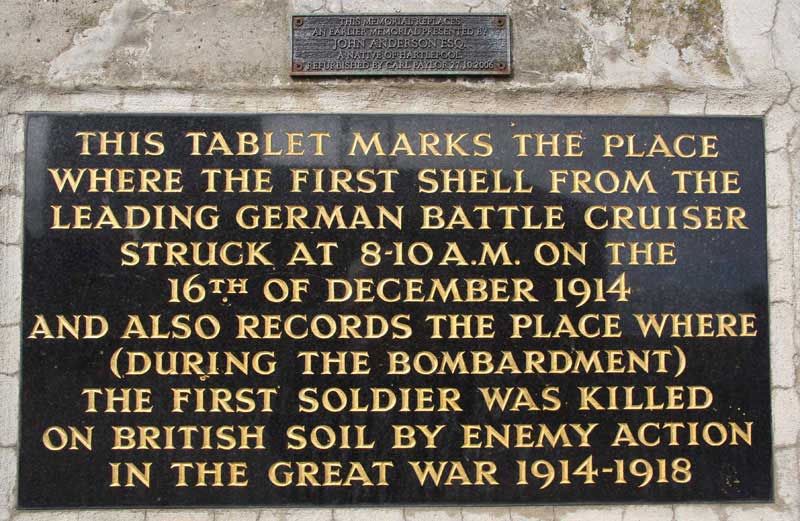
This Plaque on the wall says it all!

This 4.5" naval gun marks the site of the Victorian Fairy Cove Battery.

The Celtic Cross - now you see it, now you don't! This beautifully carved cross, by Carl Paylor, was demolished twice within two weeks by vandals in March, 2008. You can enjoy it here as it used to be!
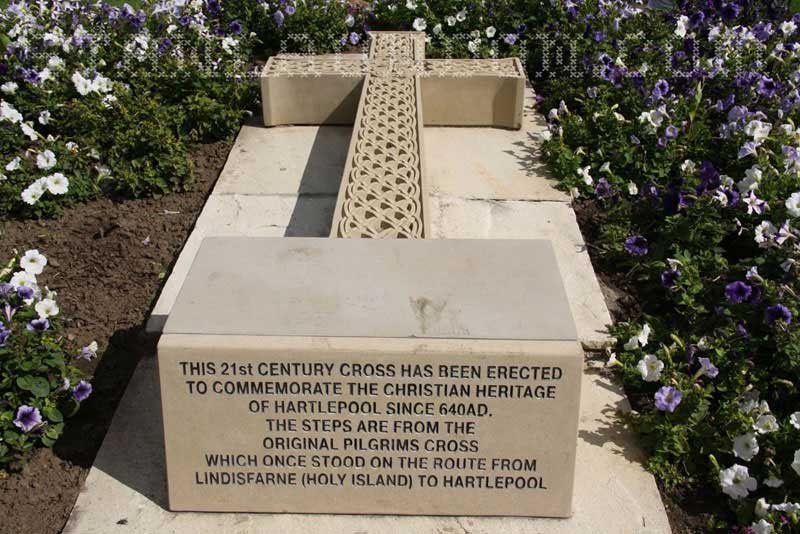
The cross has since been replaced and now laying flat.
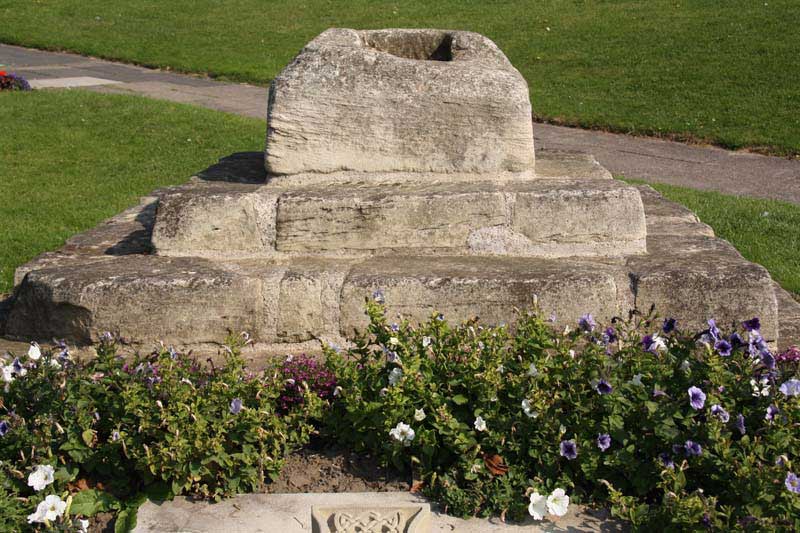
The steps are from the original pilgrim's cross which once stood on the route from Lindisfarne (Holy Island) to Hartlepool.
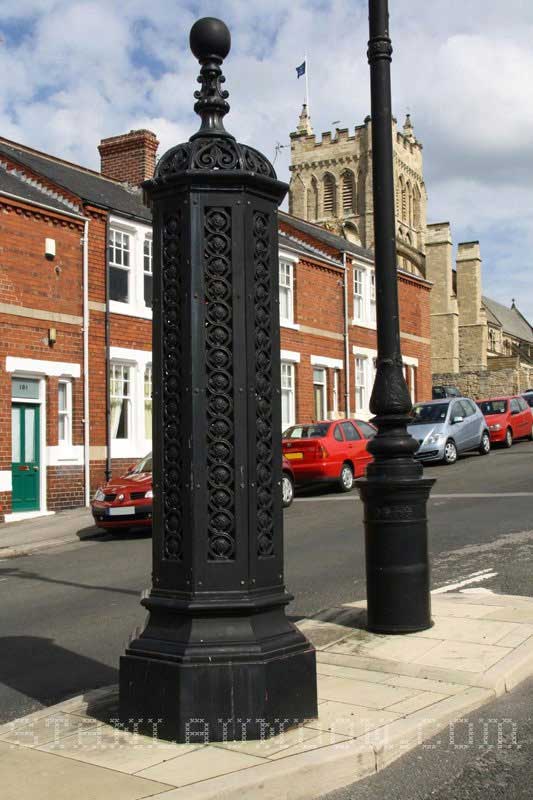
The ornamental water pump in the High Street is Grade ll Listed and dates to the mid/late 19th Century. At the base there is a carving in stone which reads: "And I am content to stand here alone, With memories of joys that I have once known, Fret not, dear Hilda, for we have shared, The joy and the problems of folk who cared, and slowly built our ancient town, May you and I be never pulled down". James Coyle, June 9th, 1969.
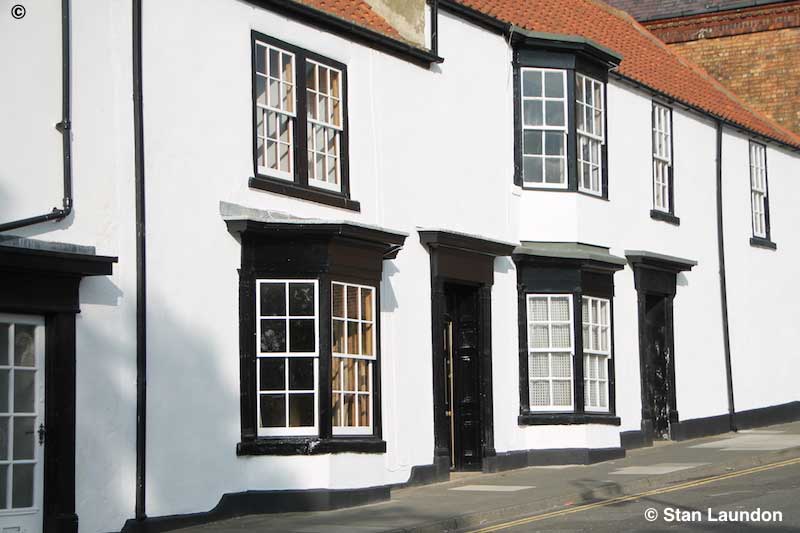
The two Grade II listed buildings on Middlegate.
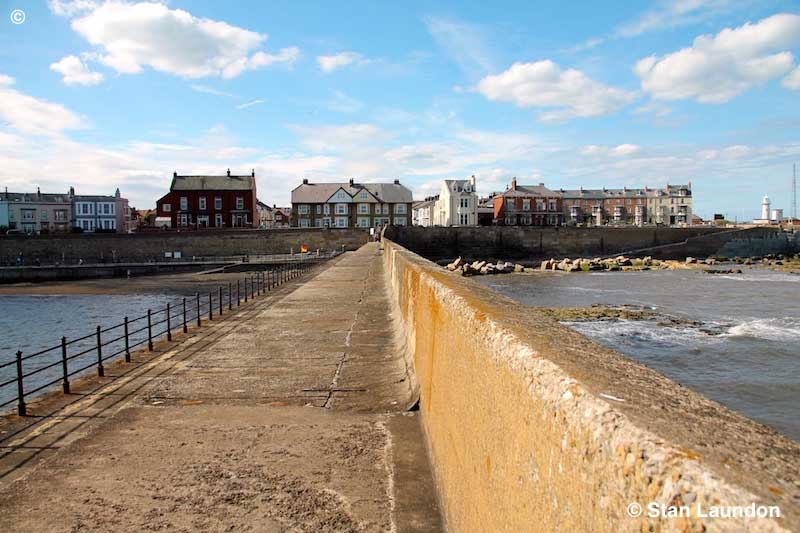
Looking towards old Hartlepool from the New Pier (Heugh Breakwater). The photograph was inspired after I had looked at the cover of a book titled "The Isle of St Hild" - which includes a collection of historical and community portraits. The book was compiled, co-written and arranged by 'writer in residence' Bob Beagrie.
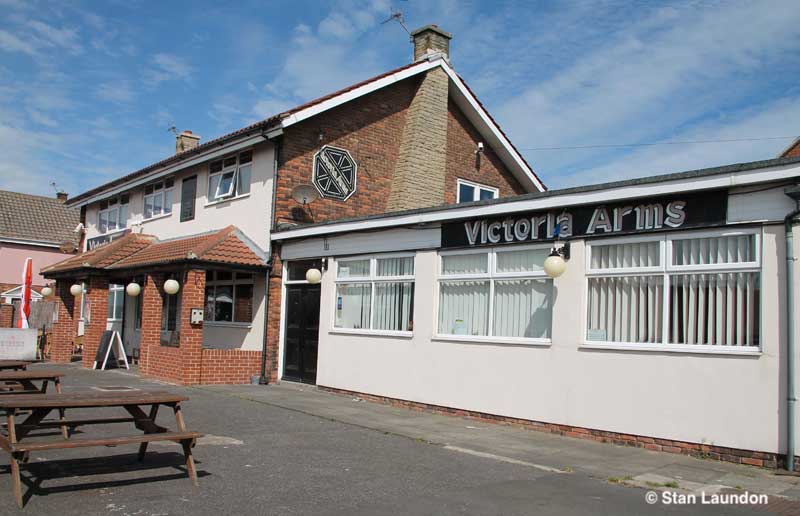
Another popular public house in old Hartlepool is the Victoria Arms on Durham Street.
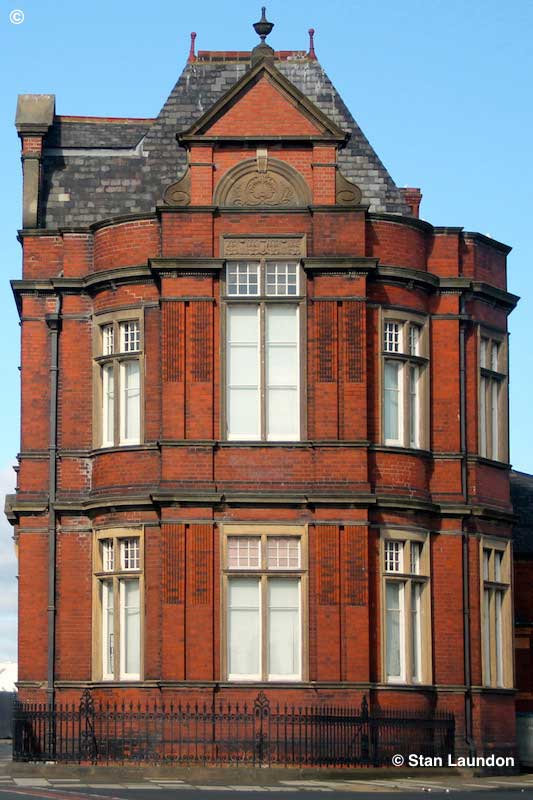
A side view of Hartlepool Library at the junction of Northgate and Warren Street.

Engraved stonework above the Hartlepool Library which reads Anno Domini 1904.
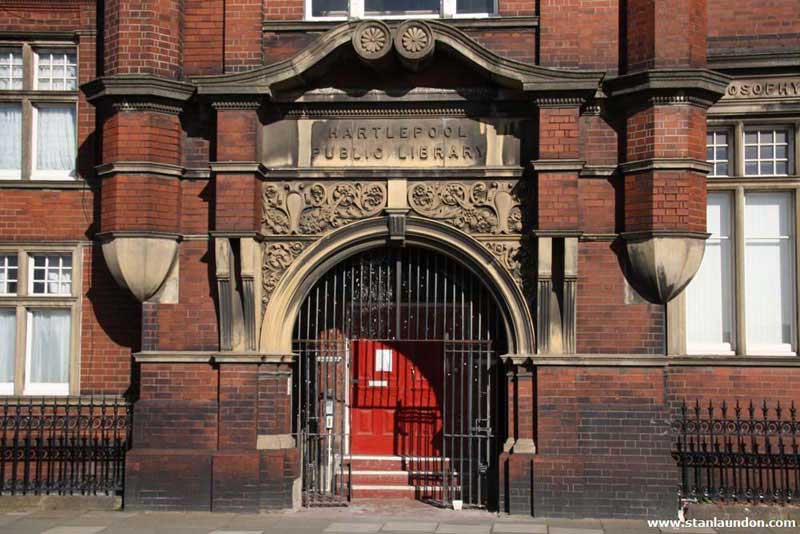
More engraved stonework above the main entrance to Hartlepool Public Library. It was, at one time, earmarked for demolition until the local people moved in and opposed it - and quite right, too!
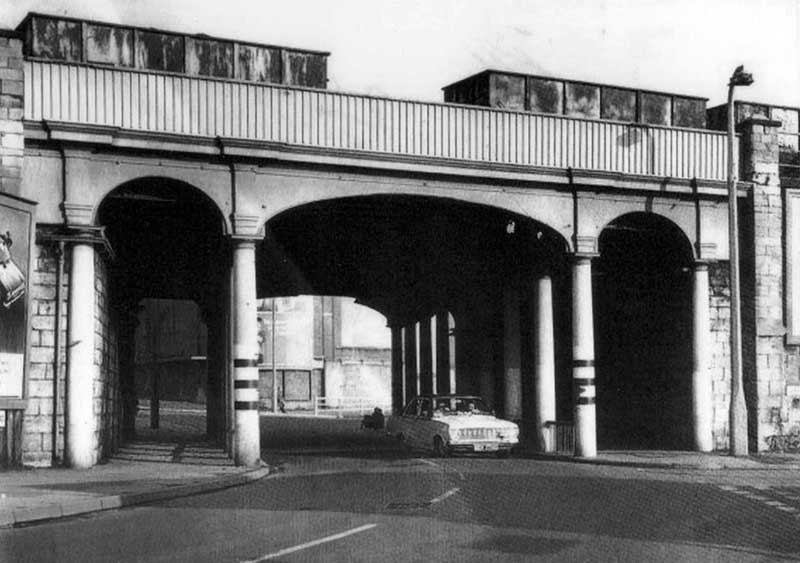
The railway wagons used to roll across Throston Bridge which was demolished in 1973. Thanks to the Headland Local History Group for the use of the above photograph.
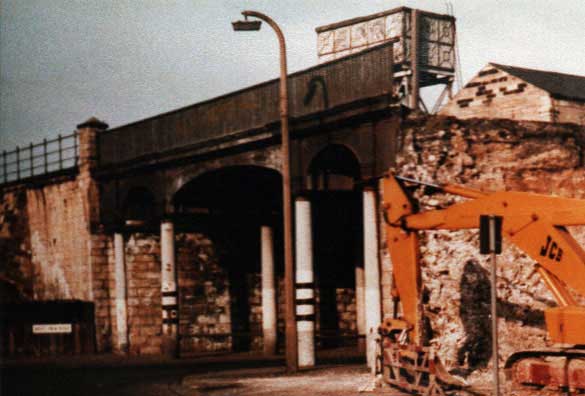
The demolition of Throston Bridge in 1973. Photograph courtesy of Ian Malcolmson.
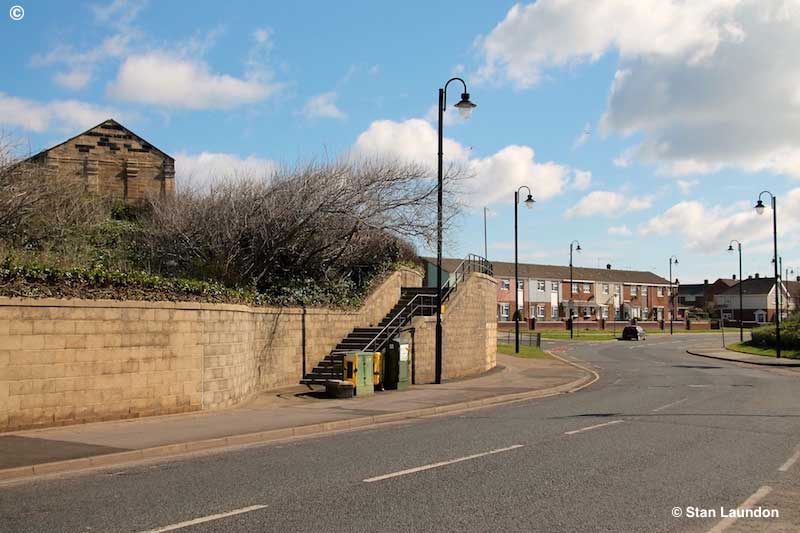
As it is now - where Throston Bridge used to be as you drive towards old Hartlepool. There's now a 20 mph speed limit in force all over old Hartlepool and I do wish certain people would take notice of it!
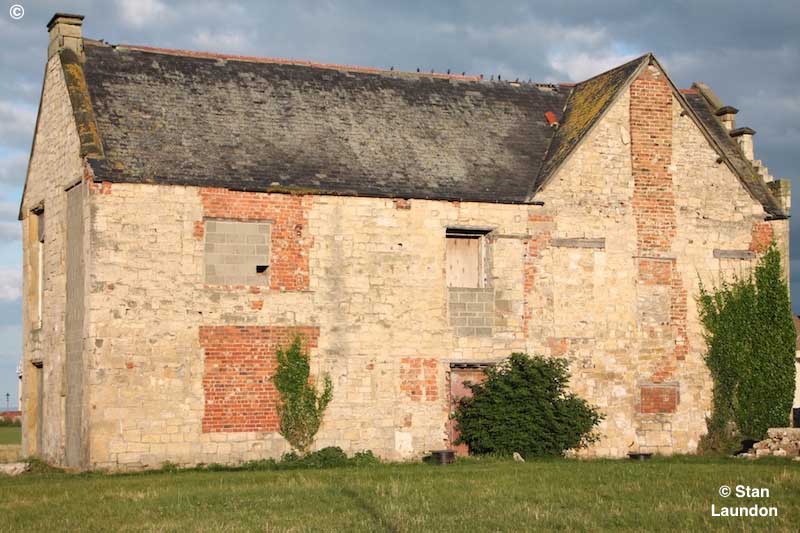
The sun shining on the old Friarage Manor House.
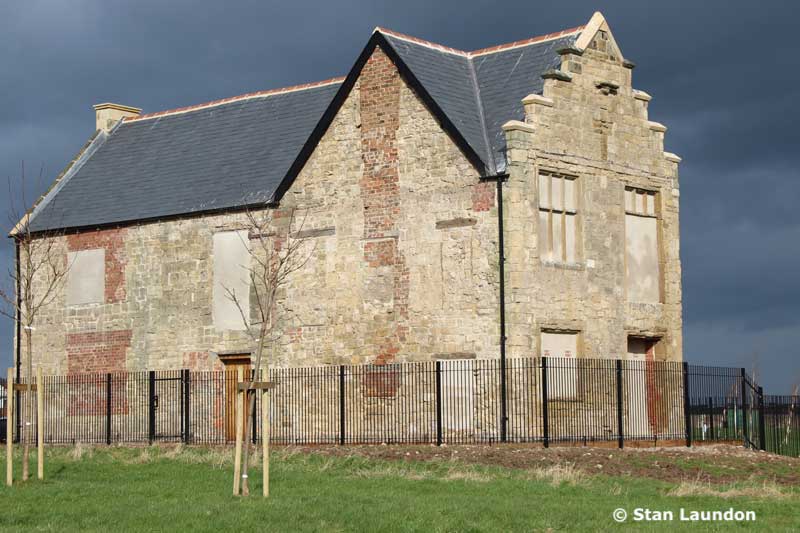
The old Friarage Manor House was certainly in need of some urgent attention - and it got it during early 2024.
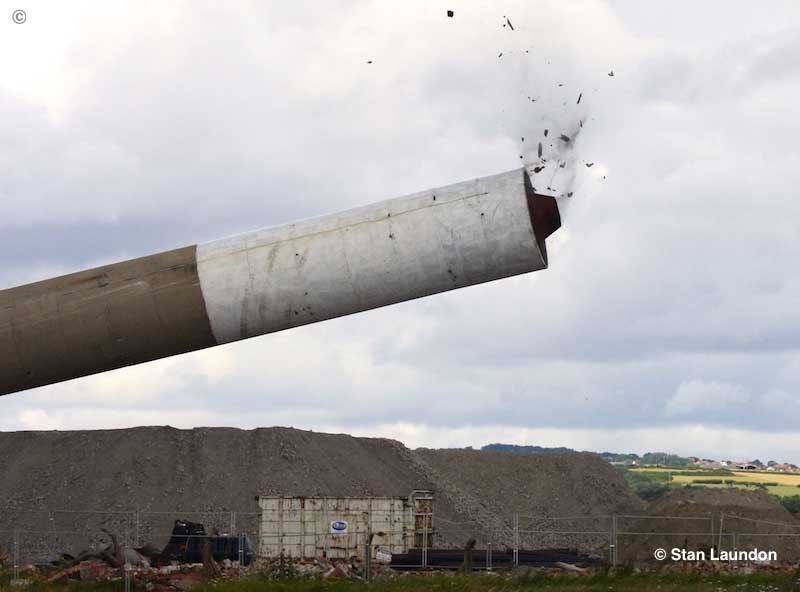
Gone but not forgotten - the Steetley chimney was a landmark in Hartlepool for many years. Just one of many photographs I took as it was finally demolished on Sunday, July 29th, 2012 and just about the hit the deck here!

The steps on the site of the old ferry in Hartlepool taken from the Pilot's Pier in Middleton.
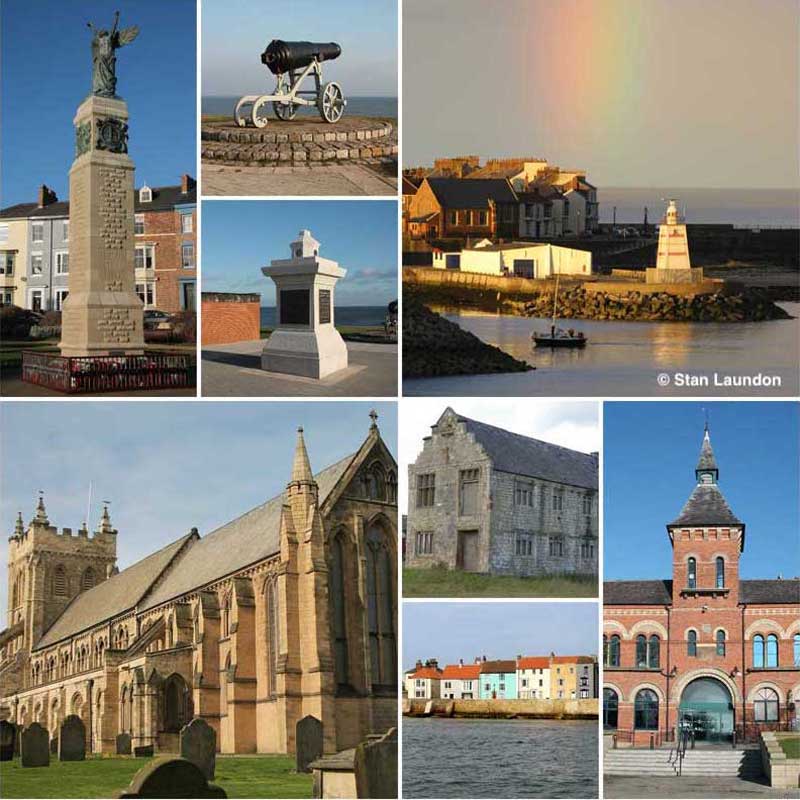
This collage of Hartlepool was created using iPiccy and shows the war memorial in Redheugh Gardens, The Bombardment Memorial, The Sebastopol Cannon, The Pilot's Pier, St. Hilda's Church, The Friarage Manor, The Town Wall and The Borough Hall.
The photographs in this right hand column can be seen larger by clicking on them.
Sites
Other sites you may find of interest relating to this page
This website is not responsible for the content of external internet sites.
.......
.............
.. .Go to the top of the page
..Copyright © Stan Laundon